

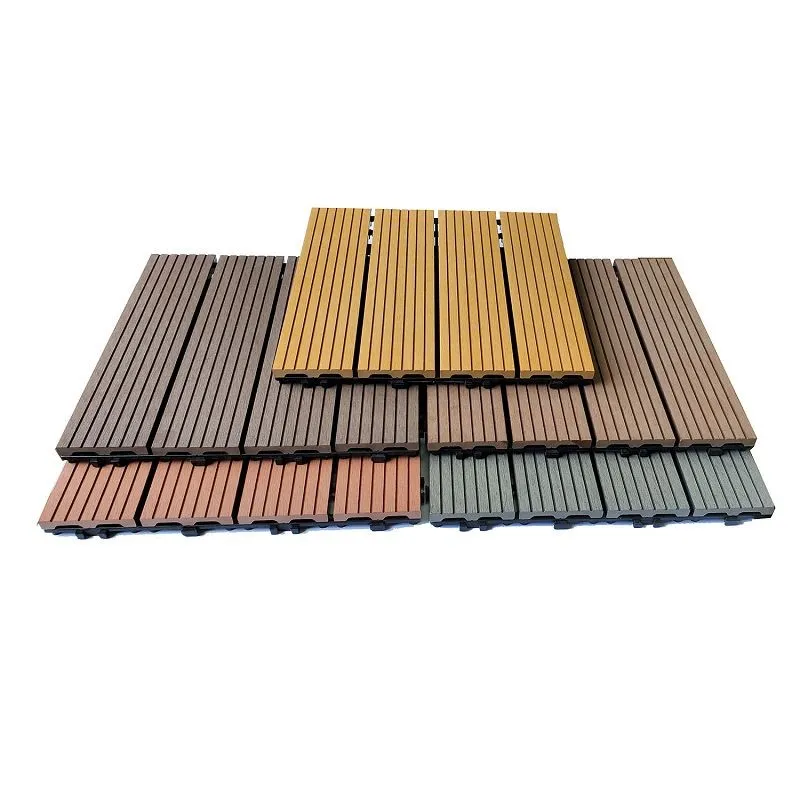
Proper ventilation is crucial for the longevity and performance of Garden Deck Tile WPC (Wood-Plastic Composite). As a leading supplier of Garden Deck Tile WPC, I understand the significance of ensuring adequate airflow beneath these tiles. In this blog, I will share some valuable insights on how to achieve proper ventilation under Garden Deck Tile WPC, along with the benefits it brings.
Understanding the Importance of Ventilation
Before delving into the methods of ensuring proper ventilation, it's essential to understand why it matters. Ventilation plays a vital role in preventing moisture buildup, which can lead to a host of problems such as mold growth, rot, and structural damage. When moisture accumulates beneath the deck tiles, it creates a breeding ground for fungi and bacteria, compromising the integrity of the WPC material. Additionally, proper ventilation helps to regulate temperature, reducing the risk of warping and expanding due to extreme heat or cold.
Factors Affecting Ventilation
Several factors can influence the ventilation beneath Garden Deck Tile WPC. These include the installation method, the spacing between the tiles, the type of substructure, and the surrounding environment. Let's take a closer look at each of these factors:
Installation Method
The way the deck tiles are installed can significantly impact ventilation. For optimal airflow, it's recommended to install the tiles with a slight gap between them. This allows air to circulate freely beneath the surface, preventing moisture from getting trapped. Avoid installing the tiles too tightly together, as this can restrict airflow and lead to poor ventilation.
Spacing Between Tiles
The spacing between the deck tiles is another critical factor in ensuring proper ventilation. A general rule of thumb is to leave a gap of at least 1/8 to 1/4 inch between each tile. This gap allows air to flow through the deck, carrying away moisture and preventing it from accumulating. The exact spacing may vary depending on the specific product and installation instructions, so be sure to follow the manufacturer's recommendations.
Type of Substructure
The substructure beneath the deck tiles also plays a crucial role in ventilation. A well-designed substructure provides support for the tiles while allowing air to circulate freely. When choosing a substructure, opt for materials that are breathable and allow for proper airflow. For example, using joists made of pressure-treated wood or composite materials can help to create a ventilated space beneath the deck.

Surrounding Environment
The surrounding environment can also affect ventilation beneath the deck tiles. If the deck is located in an area with high humidity or poor air circulation, it's essential to take extra precautions to ensure proper ventilation. For example, you may need to install additional vents or fans to improve airflow. Additionally, consider the orientation of the deck and the amount of sunlight it receives. A deck that is exposed to direct sunlight for extended periods may require more ventilation to prevent overheating.
Methods of Ensuring Proper Ventilation
Now that we understand the importance of ventilation and the factors that affect it, let's explore some methods of ensuring proper ventilation under Garden Deck Tile WPC:
Use a Ventilated Substructure
As mentioned earlier, a ventilated substructure is essential for proper airflow beneath the deck tiles. When installing the substructure, make sure to leave gaps between the joists to allow air to circulate. You can also use a raised substructure to create additional space for ventilation. For example, using adjustable pedestals can elevate the deck tiles off the ground, allowing air to flow freely beneath them.
Install Ventilation Vents
Ventilation vents are an effective way to improve airflow beneath the deck tiles. These vents can be installed along the perimeter of the deck or in the substructure to allow air to enter and exit. Make sure to choose vents that are designed specifically for deck applications and are large enough to provide adequate airflow. You may also need to install multiple vents depending on the size of the deck.
Create a Sloped Surface
Creating a sloped surface beneath the deck tiles can help to improve drainage and prevent moisture from accumulating. When installing the substructure, make sure to slope it slightly away from the house or other structures. This will allow water to drain off the deck and prevent it from pooling beneath the tiles. Additionally, a sloped surface can help to improve airflow by creating a natural draft.
Use a Breathable Underlayment
A breathable underlayment can be placed beneath the deck tiles to improve ventilation and prevent moisture buildup. This underlayment is typically made of a porous material that allows air and water to pass through. It can help to absorb excess moisture and prevent it from reaching the deck tiles. When choosing an underlayment, make sure to select one that is compatible with the WPC material and is designed for outdoor use.
Maintain Proper Drainage
Proper drainage is essential for preventing moisture buildup beneath the deck tiles. Make sure to install a drainage system that can effectively remove water from the deck. This may include installing gutters, downspouts, or a French drain. Additionally, keep the area around the deck clear of debris and vegetation to prevent clogging of the drainage system.

Benefits of Proper Ventilation
Ensuring proper ventilation under Garden Deck Tile WPC offers several benefits, including:
Extended Lifespan
Proper ventilation helps to prevent moisture buildup, which can significantly extend the lifespan of the deck tiles. By reducing the risk of mold, rot, and structural damage, the tiles will remain in good condition for longer, saving you money on replacement costs.
Improved Performance
Ventilation helps to regulate temperature and moisture levels beneath the deck tiles, improving their performance. This can prevent warping, expanding, and cracking, ensuring that the tiles remain stable and secure.
Enhanced Safety
Proper ventilation can also enhance safety by reducing the risk of slips and falls. When moisture accumulates on the deck surface, it can create a slippery condition, increasing the likelihood of accidents. By ensuring adequate airflow, the deck surface will remain dry and safe to walk on.
Environmental Sustainability
Using Garden Deck Tile WPC with proper ventilation is an environmentally sustainable choice. WPC materials are made from recycled wood and plastic, reducing the demand for virgin materials. Additionally, proper ventilation helps to extend the lifespan of the tiles, reducing the amount of waste generated.
Conclusion
Proper ventilation is essential for the longevity and performance of Garden Deck Tile WPC. By understanding the importance of ventilation, considering the factors that affect it, and implementing the methods outlined in this blog, you can ensure that your deck remains in good condition for years to come. As a supplier of Garden Deck Tile WPC, I am committed to providing high-quality products and expert advice to help you achieve the best results. If you have any questions or would like to learn more about our products, please don't hesitate to [contact us for procurement and negotiation].
References
- ASTM International. (2017). Standard Specification for Wood-Plastic Composite Deck Boards. ASTM D7032-17.
- National Association of Home Builders. (2019). Building a Deck: A Step-by-Step Guide.
- Trex Company. (2020). How to Install Composite Decking.